Orchestrators vs. single agents: when splitting pays off
Parallel workers help with independent subtasks and hurt with shared state. Here is how to tell which you have
2 min read ·

Multi-agent systems are fashionable. Diagrams with an orchestrator and five workers look impressive in a slide deck. But splitting work across agents has real costs, and many tasks run better with one agent and a good plan.
The case for splitting
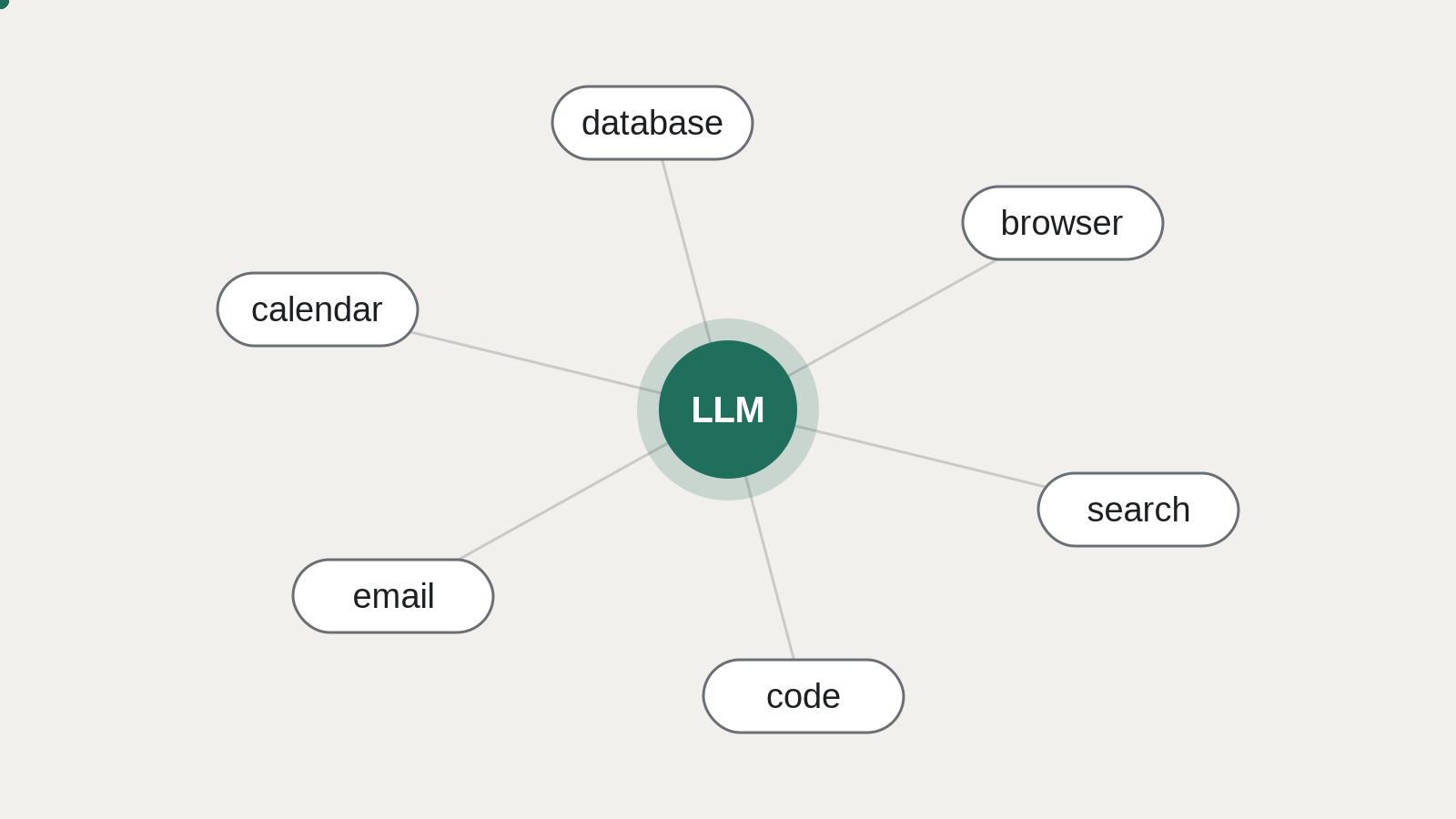
Each worker starts with a clean context and only the tools it needs, so it stays focused and its mistakes stay contained.
- Parallelism: independent research questions can run at the same time.
- Focus: a worker with three tools picks the right one more often than an agent with thirty.
- Containment: a worker that goes wrong wastes its own budget, not the whole task's.
The case against
Every handoff loses context. If subtasks keep needing each other's results, one agent with a plan is cheaper and more reliable.
Splitting turns one hard problem into several easy ones, plus a new hard one: coordination.
A quick test
| Question | If yes | If no |
|---|---|---|
| Can the subtasks run without seeing each other's results? | Split | Keep one agent |
| Does each subtask need different tools or permissions? | Split | Keep one agent |
| Is the total work too big for one context window? | Split | Keep one agent |
| Do you need a single consistent voice or design? | Keep one agent | Either |
How a good orchestrator works
- Reads the goal and writes subtasks with clear inputs and a clear definition of done.
- Hands each worker only what it needs: the subtask, the relevant files, the right tools.
- Collects results in a fixed format, so merging is mechanical.
- Checks the merged result against the original goal and retries only the parts that failed.
Start single, split later
Build the single-agent version first and log where it struggles. If the logs show it losing focus on long, separable work, split exactly there. Splitting because the diagram looks better is how teams end up debugging five agents instead of one.


Responses